Custom
Bow Thrusters
from 35 to 400 kW
More control in every manoeuvre
Current Motion supplies bow thrusters for precise and reliable maneuvering. Available with electric or hydraulic drive, our thrusters provide direct lateral thrust and are suitable for a wide range of vessels and marine applications. From berthing and positioning to maneuvering in confined spaces, every solution is tailored to the vessel, application, and required performance. Current Motion bow thrusters are available from 35 to 400 kW.
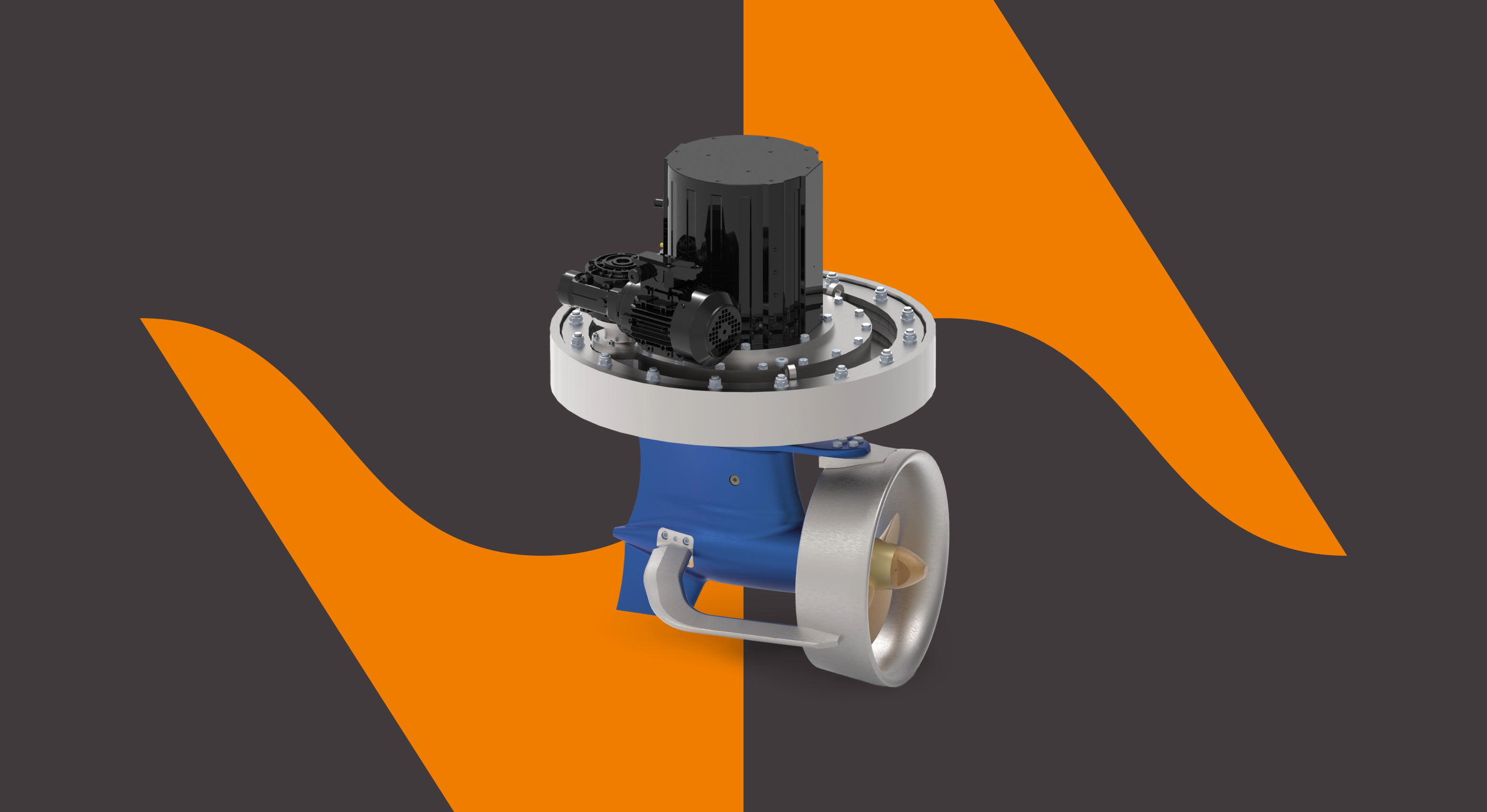
Where a bow thruster makes the difference
A bow thruster allows a vessel to move sideways without relying solely on the main propulsion system and rudder. Especially at low speeds, this provides significantly more control over the vessel’s position and movement.
This makes bow thrusters particularly useful for berthing, departing, maneuvering in harbors and locks, and applications where precise positioning is essential. Current Motion develops bow thrusters for professional marine applications. Depending on the vessel, the thruster can be installed in the bow or stern and driven electrically or hydraulically.
Benefits of bow thrusters
Precise manoeuvring
Direct lateral thrust provides greater control when berthing, departing and manoeuvring at low speeds.
More control in confined spaces
A bow thruster makes it easier to position a vessel accurately in harbors, locks, and other situations where maneuvering space is limited.
Electric or hydraulic drive
Depending on the onboard power system and application, the bow thruster can be electrically or hydraulically driven.
Different propeller configurations
Current Motion offers both single and counter-rotating propeller configurations. This allows the thruster to be matched to requirements such as power, available installation space, draught, and noise levels.
Control system integration
From straightforward joystick control to integration with other onboard systems and dynamic positioning, the control system can be tailored to the vessel and its operation.
Engineered around the vessel
No two vessels are the same. That is why every solution is configured around the technical and operational requirements of the project.
Technical
overview
Choosing the right bow thruster involves more than simply selecting the required power. Vessel type, available installation space, required thrust, draft, and operating profile all play important roles. Current Motion supplies bow thrusters from 35 kW to 400 kW, with a range of power ratings, propeller diameters, and configurations.
Key technical considerations:
Required power and thrust
Vessel type and dimensions
Available installation space
Draught
Propeller diameter
Single or counter-rotating propellers
Electric or hydraulic drive
Control and system integration
Noise and comfort requirements
Dynamic positioning requirements
Bow thrusters
from 35 kW to 400 kW
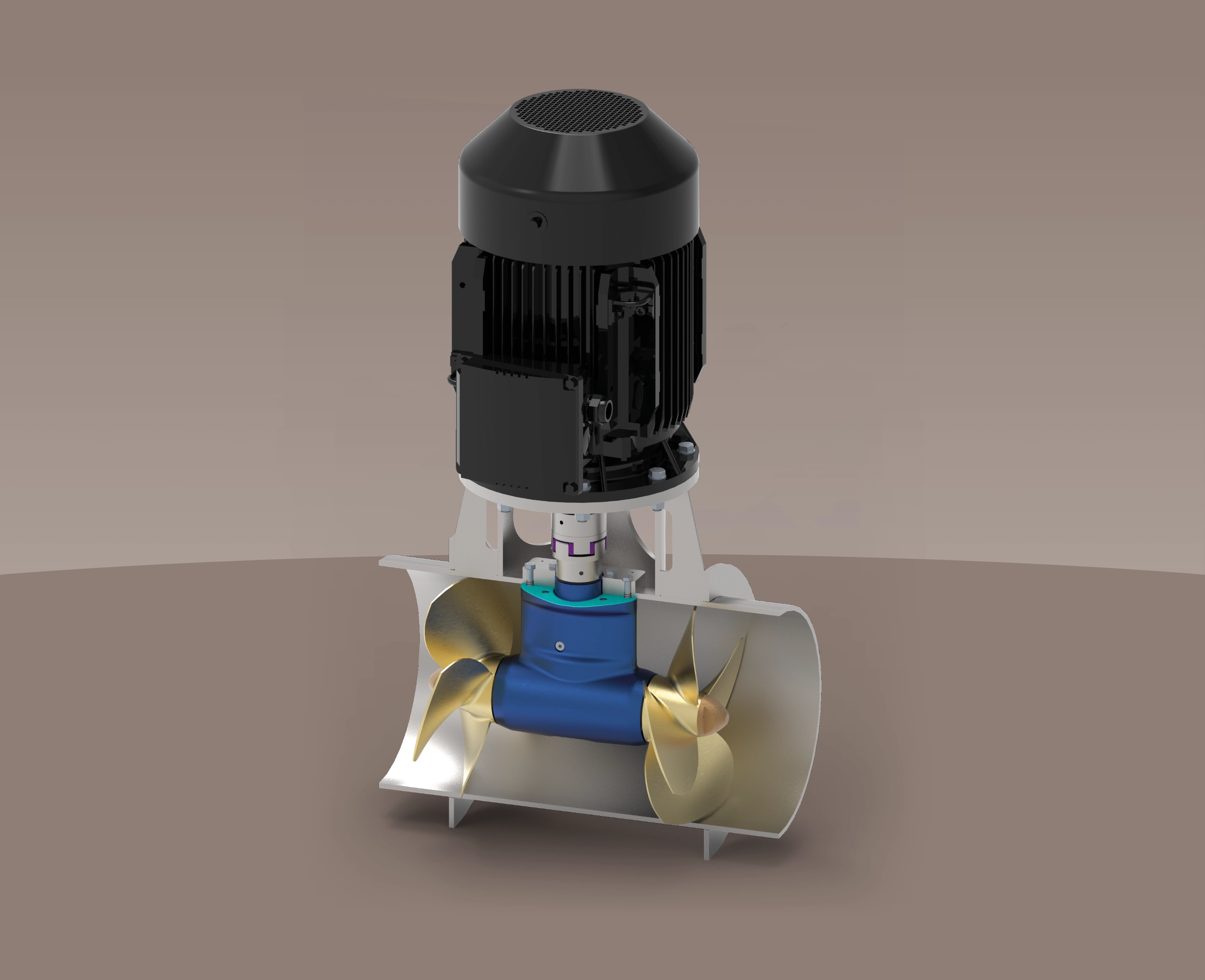
Tunnel Thruster
from 35 kW to 400 kWFor safe and easy mooring, support during fishing or dredging and operation under dynamic positioning, tunnel thrusters are a good technical and economical solution.
Explore Tunnel ThrusterReferences
Current Motion bow thrusters are used in professional marine applications, including workboats and commercial vessels. Our references demonstrate how the right thruster configuration can improve maneuverability, reliability, and control in real-world operations.
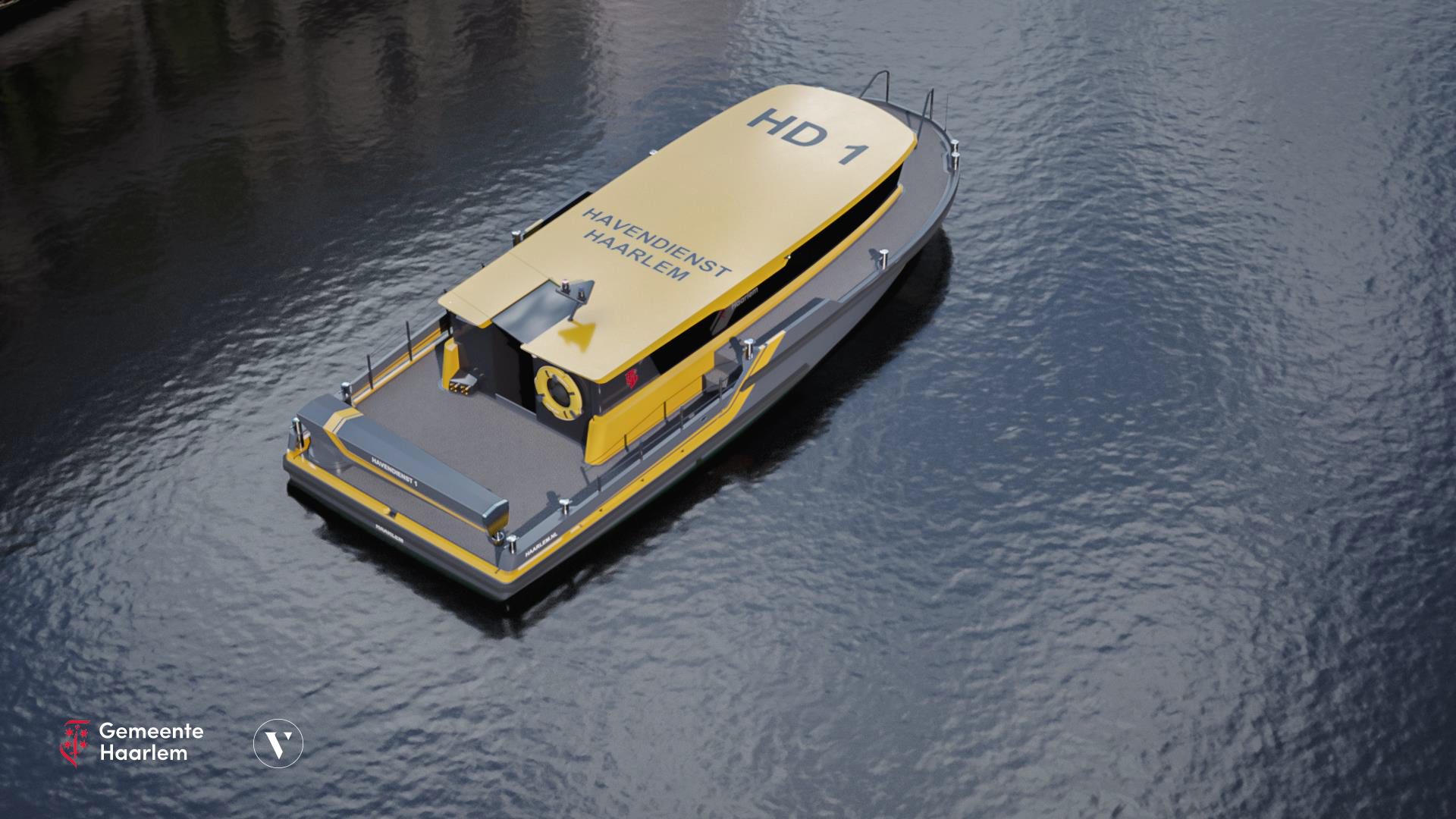
Gemeente Haarlem
View reference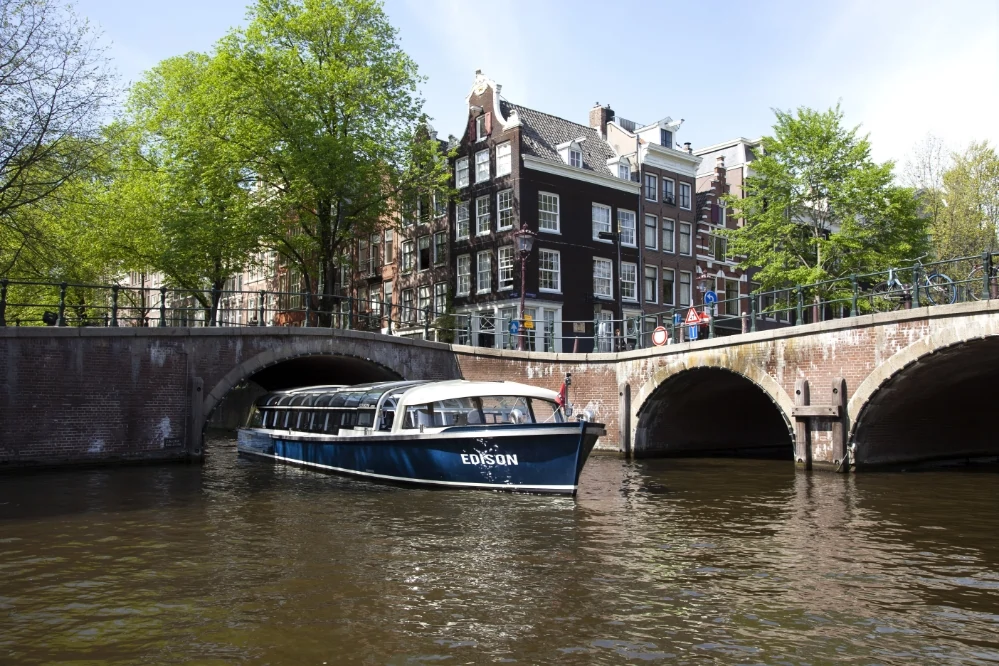
Blue Boat
View referenceNeed advice on the right bow thruster?
Choosing the right thruster depends on your vessel, operating profile and performance requirements. Our team helps you determine the best configuration for your application.
FAQ
What is a bow thruster?
A bow thruster is a propulsion device installed in the bow of a vessel. It generates lateral thrust, allowing the bow to move sideways for precise manoeuvring, particularly at low speeds and in confined spaces.
When should I choose a bow thruster?
A bow thruster is a good choice when your vessel needs greater control during berthing, departing or manoeuvring in harbours and locks. It is especially useful when precise positioning is required at low speeds.
What is the difference between a bow thruster and an azimuth thruster?
A bow thruster provides lateral thrust to move the bow sideways during manoeuvring. An azimuth thruster rotates 360 degrees and combines propulsion and steering, allowing thrust in any direction.
What is the difference between an electric and a hydraulic bow thruster?
An electric bow thruster is powered by an electric motor, while a hydraulic bow thruster uses hydraulic power. The best option depends on the vessel's onboard power system, available installation space and operating requirements.
What is the difference between single and counter-rotating propellers?
A single propeller configuration uses one propeller to generate thrust. Counter-rotating configurations use two propellers rotating in opposite directions, which can improve thrust performance depending on the application.
Can a bow thruster be customised for my vessel?
Yes. Current Motion configures bow thrusters around the specific requirements of each vessel, including power, thrust, propeller diameter, available installation space and control system integration.
For which vessels are bow thrusters suitable?
Bow thrusters are suitable for workboats, inland vessels, commercial vessels, yachts and other marine applications where precise manoeuvring and reliable positioning are important.
What power range is available?
Current Motion supplies electric and hydraulic bow thrusters from 35 kW to 400 kW, depending on the configuration and vessel requirements.
Also part of Blokland Group:
Electrically driven thrusters for workboats, canal cruisers, yachts, and inland vessels.
Visit website

Cooling solutions for marine and industry
Visit website

High-tech propulsion systems
Visit website

Precision seals and propulsion components.
Visit website

Next level anti-fouling solutions.
Visit website

Reliable electric propulsion for builders of boats, tenders, and commercial shipping.
Visit website
